Cornish Pasties

Kate Ellery

Well-known member
I live in an area where many immigrated to in 1860 ~ from Cornwall UK to, work in an very arid / area with no fresh water for 80 kms

The main diet of many of the new ….residents was the Cornish Pasty ….it was traditionally made with the join / rolled edge on the top so miners had a “ handle to hang onto with their dirty hands to eat the pasty , which was at times made as a main meal and a desert all in one package ….so to speak ..desert one end …meat and veggies the other ( the miners would dispose of the top roll after eating the contents, as it would be to dirty to eat )

Al tho the copper mining ceased well over a hundred years ago …the tradition of the pasty has never lost its popularity .


Every other year there is a huge 10 day celebration of the Cornish history with the towns swelling with an estimated 20.000 visitors .( many come from Cornwall UK each and every year )

it been roughly estimated 30. 000 pasties are made and sold in that time

The tradition is very strong about what the contents of the party should be …..no adding veggies that are lingering …..in the fridge …it’s just not the correct …no way …you’d be just about hung at sundown …for even suggesting any other ingredients ….be put into a pasty ….IMG_2807.jpeg

 
Last edited:
I grew up in an area where Cornish immigrants came to work in the copper mines - the Upper Peninsula of Michigan, where the Upper Peninsula pasty has always been a local favorite, which probably picked up Swedish and Norwegian influences along the way.
 
Think @John Brunner mentioned he had some sort of connection to Cornish history as well .


Both hubs and My G G Grandparents….are buried in the local cemetery which we were both unaware of till we had our DNA ‘s done
so it’s possible both our GG P knew each other ( they all died around the same time )
The town I live close to , has an extensive family history centre and they even told us the names of the ship our ancestors arrived in South Aust on and dates of arrival in ….Port Adelaide ….a suburb of Adelaide @Ken Anderson
 
Last edited:
Interesting. Different sides of the world, and we both have a tradition involving the Cornish pasty. I grew up thinking they were strictly an Upper Peninsula thing, and didn't learn until much later that they originated in Cornwall, England.

When I was a kid, they didn't serve them in restaurants, but nearly every family had a pasty recipe. Now, people buy them from bakeries or order them in restaurants.
 
Traditionally they are made using Shortcrust pastry @Don Alaska however some bakeries now use mass produced flaky pastry ….its not the same ….it has to be a butter Shortcrust ….I've made them myself but nor for a long time ..it’s more of a winter meal


..copied this ..very old recipe ….all the people I know only use ( proper ) butter ..no lard

What you’ll need!

Its definitely worth having a crack at making your own pastry, the results are far superior to anything you will get from a supermarket freezer.

Short Crust Pastry

450g plain flour – you can get special pastry flour from the supermarket which I personally think gives you better results.

110g lard

110g butter

Pinch of salt

Cold water

How to make the pastry

Place the flour in a large mixing bowl and stir in a pinch of salt.

All the short crust pastry recipes I have ever read call for the use of a food processor to make a butter/flour breadcrumb mixture. I personally don’t have a food processor, so instead I use a big cheese grater to grate the butter and lard into the flour.

Stop every now and then and mix your gratings into the flour so it doesn’t end up in one big clump.

Start pouring in cold water gradually and mix it into the flour. Its difficult to give you an exact measurement here on the water as it all depends on the flour you are using.

You have to do a little bit of guess work here and make sure everything mixes into a ball without being too sticky. Ensure all the flour has been worked into the mixture.

Work the ball together, dust some flour on your bench and give it a little knead to bring everything together. Be careful not to overwork the dough.

Cover in plastic wrap and let it sit in the fridge for at least 20 minutes.

Filling

350grams skirt or rump steak – sliced into think strips
2 medium potatoes, peeled.

1 swede, peeled

Small onion – chopped

Extra butter

Salt & pepper

1 egg

How to put it together

There is no need to pre cook the beef in this recipe, you actually want to put it in the pastry raw. This way as it cooks all the juices will help make a nice gravy!
1.Cut the steak into small pieces – do not use minced beef!
2.Using your peeler, continue peeling the potatoes and swede to create nice thin slices. This gives you much better results than trying to do a fine slice with a knife. Of course if you happen to have a Chinese mandolin, go for gold!
3.Dust your counter with flour, and roll your pastry out to be about 5mm thick
4.Grab a small tea plate, about 15cm in diameter and use it as a template to cut out some circles.
5.Use a pastry brush and brush the edges of the dough with either milk or water to moisten it – this helps make a nice seal!
6.On HALF of the circle, sprinkle a layer of potato, onion & swede mixture. Then add a layer of beef.
7.Repeat this process so you have 2 layers of each
8.Be careful not to over fill your pastry, as this will cause it to burst.
9.Sprinkle with a little salt and pepper
10.Sprinkle a little bit of flour and Add a small knob of butter to the top of the filling – this helps make the gravy!
11.Roll the empty half of the pastry over the top of the filled half and crimp the seal together with your fingers. Don’t worry, practice makes perfect (just look at my atrocity)
12.Use a small knife and cut a tiny hole in the top to let the steam escape.
13.Brush the top of the pastry with beaten egg wash
14.Place in a hot oven – 220 degrees Celsius – for 20 minutes, then turn the heat down to 160 degrees and bake for a further 40 minutes.
15. Let them rest on a wire cake tray for 10 minutes before serving!
 
Traditionally they are made using Shortcrust pastry @Don Alaska however some bakeries now use mass produced flaky pastry ….its not the same ….it has to be a butter Shortcrust ….I've made them myself but nor for a long time ..it’s more of a winter meal


..copied this ..very old recipe ….all the people I know only use ( proper ) butter ..no lard

What you’ll need!

Its definitely worth having a crack at making your own pastry, the results are far superior to anything you will get from a supermarket freezer.

Short Crust Pastry

450g plain flour – you can get special pastry flour from the supermarket which I personally think gives you better results.

110g lard

110g butter

Pinch of salt

Cold water

How to make the pastry

Place the flour in a large mixing bowl and stir in a pinch of salt.

All the short crust pastry recipes I have ever read call for the use of a food processor to make a butter/flour breadcrumb mixture. I personally don’t have a food processor, so instead I use a big cheese grater to grate the butter and lard into the flour.

Stop every now and then and mix your gratings into the flour so it doesn’t end up in one big clump.

Start pouring in cold water gradually and mix it into the flour. Its difficult to give you an exact measurement here on the water as it all depends on the flour you are using.

You have to do a little bit of guess work here and make sure everything mixes into a ball without being too sticky. Ensure all the flour has been worked into the mixture.

Work the ball together, dust some flour on your bench and give it a little knead to bring everything together. Be careful not to overwork the dough.

Cover in plastic wrap and let it sit in the fridge for at least 20 minutes.

Filling

350grams skirt or rump steak – sliced into think strips
2 medium potatoes, peeled.

1 swede, peeled

Small onion – chopped

Extra butter

Salt & pepper

1 egg

How to put it together

There is no need to pre cook the beef in this recipe, you actually want to put it in the pastry raw. This way as it cooks all the juices will help make a nice gravy!
1.Cut the steak into small pieces – do not use minced beef!
2.Using your peeler, continue peeling the potatoes and swede to create nice thin slices. This gives you much better results than trying to do a fine slice with a knife. Of course if you happen to have a Chinese mandolin, go for gold!
3.Dust your counter with flour, and roll your pastry out to be about 5mm thick
4.Grab a small tea plate, about 15cm in diameter and use it as a template to cut out some circles.
5.Use a pastry brush and brush the edges of the dough with either milk or water to moisten it – this helps make a nice seal!
6.On HALF of the circle, sprinkle a layer of potato, onion & swede mixture. Then add a layer of beef.
7.Repeat this process so you have 2 layers of each
8.Be careful not to over fill your pastry, as this will cause it to burst.
9.Sprinkle with a little salt and pepper
10.Sprinkle a little bit of flour and Add a small knob of butter to the top of the filling – this helps make the gravy!
11.Roll the empty half of the pastry over the top of the filled half and crimp the seal together with your fingers. Don’t worry, practice makes perfect (just look at my atrocity)
12.Use a small knife and cut a tiny hole in the top to let the steam escape.
13.Brush the top of the pastry with beaten egg wash
14.Place in a hot oven – 220 degrees Celsius – for 20 minutes, then turn the heat down to 160 degrees and bake for a further 40 minutes.
15. Let them rest on a wire cake tray for 10 minutes before serving!
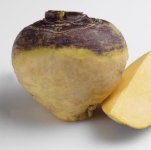
What is a "swede"?

And my mother was from the burbs of London. Dunno is any family was from Cornwall.
 
We called them rutabagas because... well, we were Swedes, although I was aware that rutabagas were also called swedes.
 
@Ken Anderson is 100% correct

I forget when I’m adding an article about Aussie land , that many things have different names @John Brunner

We had our DNA done ,John …..I didn’t have the faintest idea my heritage was part Cornish till then ……my grandmother was born where I live ~ and went to school in a building where I’d volunteered for almost 7 years ……( now a huge museum dedicated to Cornish history / and Copper mining )

Ya know I had to sorta prove I was a Aussie on anther forum … that’s going back prob 9 years ago ….


IMG_2808.jpeg
 
Back
Top